
Understanding and Managing Chronic Pain through Physiotherapy
Physiotherapy for chronic pain works differently from physiotherapy for an injury. The goal is not to find damage and repair it — in long-standing pain there is often nothing left to repair. It is to rebuild what you can do, gradually and safely, and to reduce how much pain restricts your day. Most people improve their function; few become completely pain-free, and any clinic promising that is overselling.
Medically reviewed by Dr Asif Khan, MPT
Last reviewed: 2 August 2026 · Our clinical team
Who this is for
This page is written for people who have had pain for more than three months, and for the families supporting them. It covers persistent back and neck pain, osteoarthritis, nerve-related pain, fibromyalgia and widespread pain, and pain that has continued after an injury or operation has healed.
If your pain is new, or follows a recent injury, this is not the right page — that is acute pain, and it is managed differently. See orthopaedic physiotherapy instead.
What makes pain “chronic”?
Pain is generally called chronic when it lasts beyond three months, or beyond the time the original problem would normally have healed. The important part is that second half. Chronic pain is not simply acute pain that has gone on longer — the nervous system itself becomes more sensitive, so the pain you feel stops being a reliable measure of how much damage is present.
That is why scans can look reassuring while the pain remains real and severe. It also explains why treatment aimed only at the tissue — rest, repeated passive treatment, stronger painkillers — so often stops helping after a while.
What physiotherapy actually does
An honest account, rather than a list of promises:
- Assessment. A physiotherapist examines how you move, what you avoid, what makes the pain worse and what you have already tried. The purpose is to work out what is limiting you now — which is not always the same as what started the problem.
- Graded exercise. The core of chronic pain treatment. Activity is increased in small, planned steps from a level you can manage, so that capacity builds without repeated flare-ups. This is the part with the strongest evidence behind it, and the part that most depends on you.
- Pain education. Understanding why pain persists when tissue has healed changes how threatening it feels, and that in itself tends to reduce it. This is not being told the pain is imaginary.
- Pacing. Learning to spread activity across the week instead of doing too much on good days and paying for it afterwards.
- Manual therapy and electrotherapy. Hands-on treatment, TENS, heat and cold can give short-term relief that makes exercise possible. They are useful as a way in, not as the treatment itself — on their own their effect on long-standing pain is limited and temporary.
- Return to what matters. Work, driving, prayer, cooking, sleep, playing with grandchildren. Progress is measured against these, not against a pain score alone.
What physiotherapy will not do
It will not reverse arthritis or make a disc bulge disappear. It will not remove pain in a single session. It cannot substitute for medical investigation where that is needed, and it does not replace medication your doctor has prescribed — decisions about medicines belong to your doctor, not your physiotherapist.
Chronic pain also carries a genuine psychological weight. Low mood, anxiety and disturbed sleep are common and are not a sign of weakness. Physiotherapists address the movement and activity side of this and will encourage you where they can, but structured psychological treatment such as cognitive behavioural therapy is delivered by a clinical psychologist. Where that is likely to help, the right step is a referral, and we will say so.
When to seek medical advice rather than physiotherapy
Most chronic pain is not dangerous. But some symptoms need same-day medical assessment rather than a physiotherapy appointment. Seek urgent medical advice if you have:
- Loss of bladder or bowel control, or numbness around the groin, buttocks or inner thighs
- New or rapidly worsening weakness in a leg or arm
- Unexplained weight loss, fever, or night pain that wakes you and does not settle with position
- Pain following a significant fall or accident, particularly with osteoporosis or long-term steroid use
- A history of cancer with new, unfamiliar pain
These are not reasons to panic — they are reasons to be seen by a doctor first. If any of them apply, contact your doctor or nearest emergency department rather than booking physiotherapy.
What a first appointment involves
The first session is mostly assessment and conversation. Expect questions about how the pain began, how it behaves through the day, how you are sleeping, and what you have stopped doing because of it. There will be a physical examination of movement and strength, an explanation in plain language of what your physiotherapist thinks is going on, and a starting plan you take home.
You will not be asked to push through severe pain. If a plan is making things consistently worse, it is the wrong plan and it should be changed.
Questions people ask
How long before I notice a difference?
Chronic pain responds more slowly than a fresh injury, and progress tends to show first in what you can do rather than in how much it hurts. Your physiotherapist should give you a realistic timeframe after assessing you, and review it as you go. Be wary of a number offered before anyone has examined you.
Will exercise make my pain worse?
Starting at the right level and building gradually is precisely how flare-ups are avoided. Some increase in symptoms while your body adapts is common and is not a sign of harm, but a plan that reliably leaves you worse needs adjusting.
My scan shows disc degeneration. Doesn’t that mean exercise is unsafe?
Changes like disc degeneration are also found on the scans of people with no pain at all, and become more common with age. A scan finding on its own does not mean movement is dangerous. Discuss your specific report with your physiotherapist or doctor.
Do I need a referral?
No. You can book physiotherapy at any APARC centre directly. Bring any relevant reports or scans to your first appointment.
Can I be treated at home?
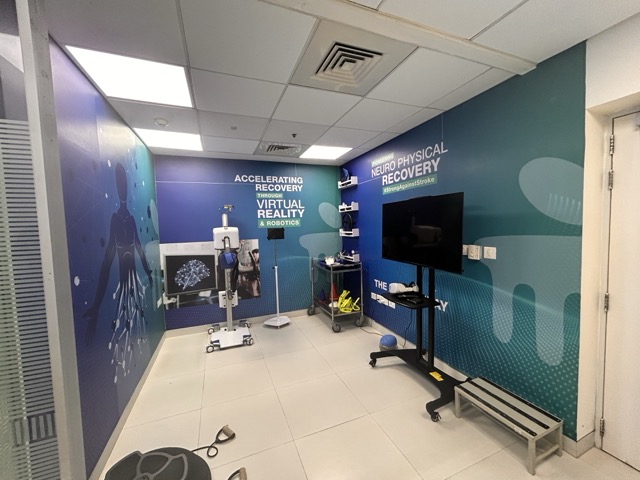
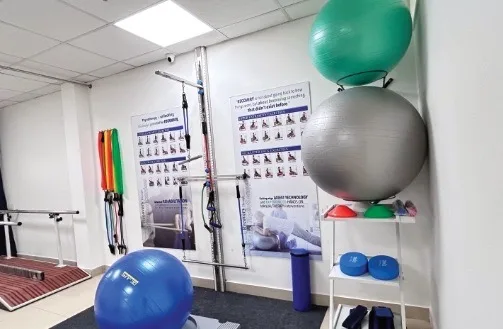
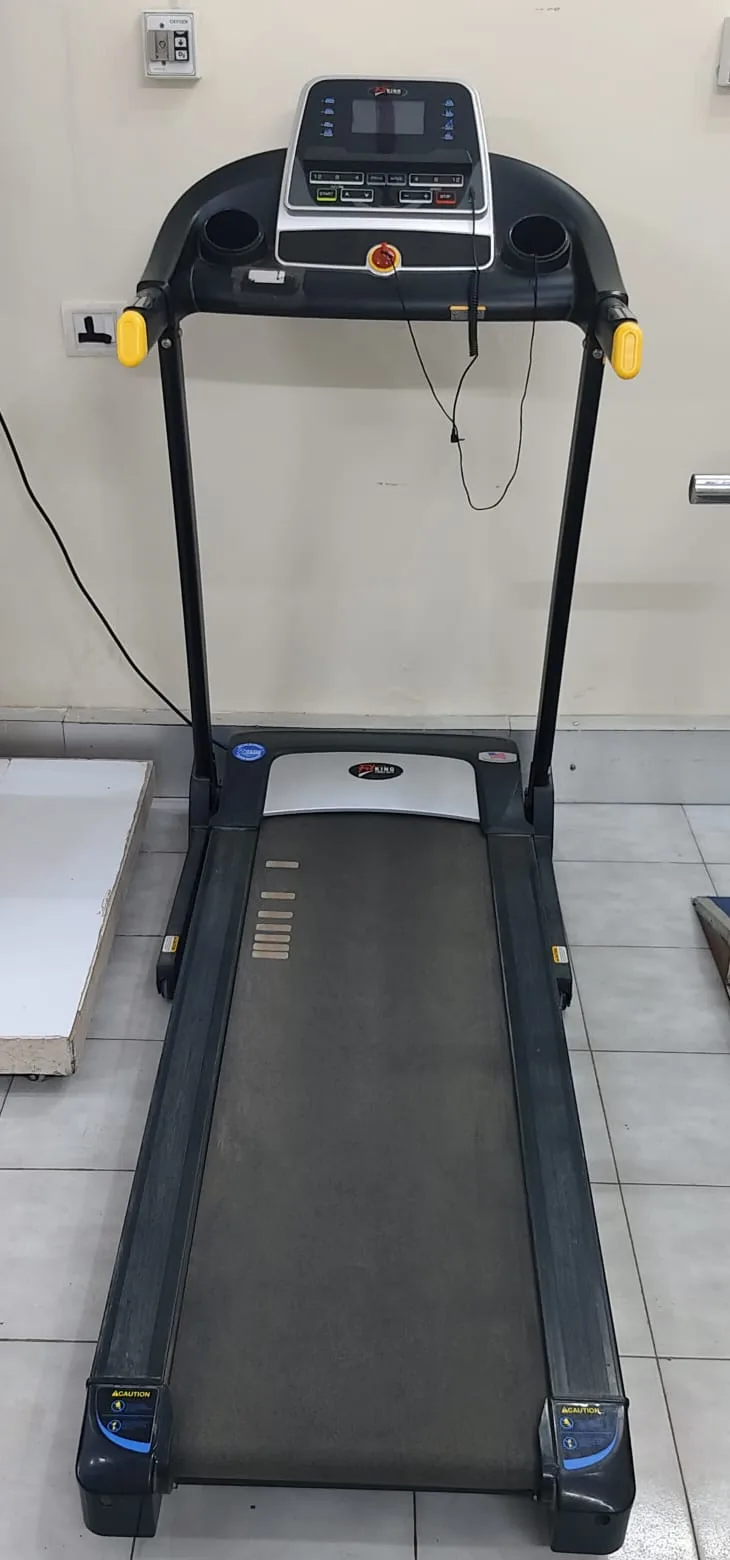
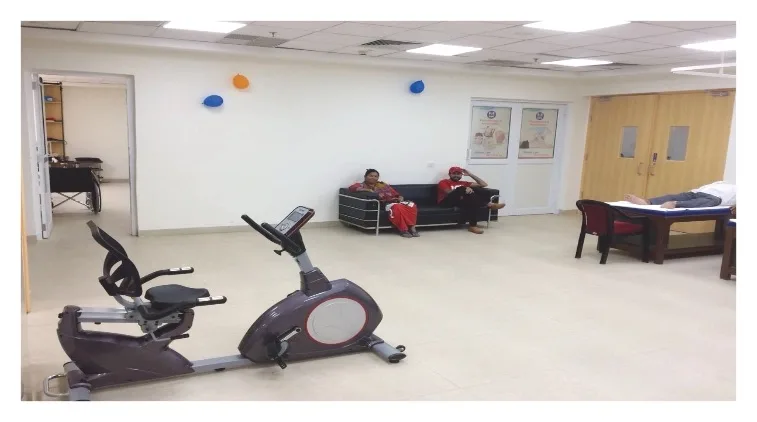
Yes, across Delhi NCR and Pune — see home physiotherapy. For chronic pain, attending a centre has an advantage: access to exercise equipment that lets your programme progress as you improve.
Should I stop my pain medication?
Not without speaking to the doctor who prescribed it. Physiotherapy is often used alongside medication, and any change to your prescription is a medical decision.
Getting started
If pain has limited what you do for more than three months, an assessment is the sensible first step — it establishes what is actually restricting you and what can realistically change. See our chronic pain physiotherapy service for how treatment is structured, or find your nearest location on our centres page. To book, call or WhatsApp +91 98189 11195 or use the appointment form.
Related pages
- Chronic pain physiotherapy — our treatment approach
- Back pain physiotherapy
- What exactly is sciatica?
- Orthopaedic physiotherapy — for recent injuries and post-operative care
- The real cost of poor posture
- Our centres — find your nearest location and its direct number
Further reading
Chronic pain is covered by published clinical guidance from recognised national bodies, including the UK National Institute for Health and Care Excellence (NICE) guideline on chronic pain and the International Association for the Study of Pain (IASP), which maintains the current international definition of pain. Readers who want the underlying evidence should consult those sources directly, or ask your physiotherapist at your appointment.
Written by Dr. Dharam Pandey (PT), Director — Neurological Rehabilitation and Technology, APARC Health & Motion.
Reviewed and approved for publication by Dr. Dharam Pandey (PT), Director — Neurological Rehabilitation and Technology, APARC Health & Motion. Last reviewed: 1 August 2026.
This article is general information and is not a substitute for individual assessment. If you have any of the symptoms listed under “When to seek medical advice”, contact a doctor.
Read More Articles
Diastasis Recti: Abdominal Separation After Pregnancy
Almost every pregnancy separates the abdominal muscles....
Read MoreRehabilitation After Intensive Care: Recovering Strength
Profound weakness after weeks in intensive care...
Read More

DWRAKA- SECTOR-6 DELHI
DEPARTMENT OF PHYSIOTHERAPY & REHABILITATION
HCMCT Manipal Hospitals
Manipal Hospitals, Palam Vihar,
Sector 6, Dwarka, New Delhi, Delhi 110075
CONTACT:
Dr. Dharam Pandey
Director & HOD
+91-9818910029

ROHINI- SECTOR-22 DELHI
DEPARTMENT OF PHYSIOTHERAPY & REHABILITATION
Shree Aggarsain International Hospital
P.S.P, Near Aggarsain Engineering College,
Sector 22, Rohini, New Delhi, Delhi 110086 ·
CONTACT:
Dr. Naresh Kumar (PT)
Head of Department
+91-9990970104

ROHINI- SECTOR-3 DELHI
DEPARTMENT OF PHYSIOTHERAPY & REHABILITATION
Jaipur Golden Hospital
2, Institutional Area, Sector -III, New Delhi, Delhi 110085
Contact:
Dr. Meenakshi Rajput (PT)
Head of Department
+91-9990970105
DWRAKA- SECTOR-1 DELHI
DEPARTMENT OF PHYSIOTHERAPY & REHABILITATION
Maharaja Agrasen Hospital Dwarka
Pocket 4, Sector 1 Dwarka,
Delhi 110075
CONTACT:
Dr. Pushpendar Rana (PT)
Head of Department
+91-9999643244

DWRAKA- SECTOR-6 DELHI
DEPARTMENT OF PHYSIOTHERAPY & REHABILITATION
HCMCT Manipal Hospitals
Manipal Hospitals, Palam Vihar,
Sector 6, Dwarka, New Delhi, Delhi 110075
CONTACT:
Dr. Afiya Sadiq (PT)
Chief Physiotherapist
+91-9818911195

KARKARDOOMA- DELHI
DEPARTMENT OF PHYSIOTHERAPY & REHABILITATION
Shanti Mukund Hospital
2, Institutional Area, Vikas Marg Ext.,
Karkardooma, New Delhi, Delhi 110092
CONTACT:
Dr. Anuj Mishra (PT)
Head of Department
+91-9540794903

MEERA BAGH, PASCHIM VEIHAR- DELHI
DEPARTMENT OF PHYSIOTHERAPY & REHABILITATION
Head of Department
+91-8860069693
Sehgal Neo Hospital
Ba-364, Keshopur Road, Khayala, Paschim Vihar,
Delhi 110063
CONTACT:
Dr. Ginni Chaujar (PT)
Head of Department
+91-8860069693

PARWANA ROAD PITAMPURA- DELHI
Dr. Satish Kumar (PT)
Director & Head
+91-9871576849
APARC Centre for Neuro-Rehabilitation
Zone H-4, Plot 5 6 7, 5, Parwana Rd, Pitampura,
New Delhi, Delhi 110034
CONTACT:
Dr. Satish Kumar (PT)
Director & Head
+91-9871576849

JANAKPURI- DELHI
Centre Head
+91-9818933351
APARC Health & Motion
Second floor, Dashmesh Polyclinic,
WZ-678C, Jail Rd, Shiv Nagar Extension,
Janakpuri, New Delhi, Delhi, 110058
CONTACT:
Dr. Chitrakshi Sharma (PT)
Centre Head
+91-9818933351
APARC Health & Motion Locations
CONVENIENT LOCATION FOR COMPREHENSIVE CARE
Conveniently located, APARC Health & Motion offers high-quality physiotherapy with a dedicated team, personalized care, and commitment to patient well-being.

Home Physiotherapy or Clinic Sessions: Which Is
Home visits and clinic sessions are not interchangeable....
Read MoreDiastasis Recti: Abdominal Separation After Pregnancy and
Almost every pregnancy separates the abdominal muscles. How...
Read MorePhysiotherapy During Pregnancy: Back Pain, Pelvic Girdle
Back and pelvic pain in pregnancy is common...
Read MoreRehabilitation After Intensive Care: Recovering Strength After
Profound weakness after weeks in intensive care is...
Read More