
Safe Transfers: What Families Need to Know
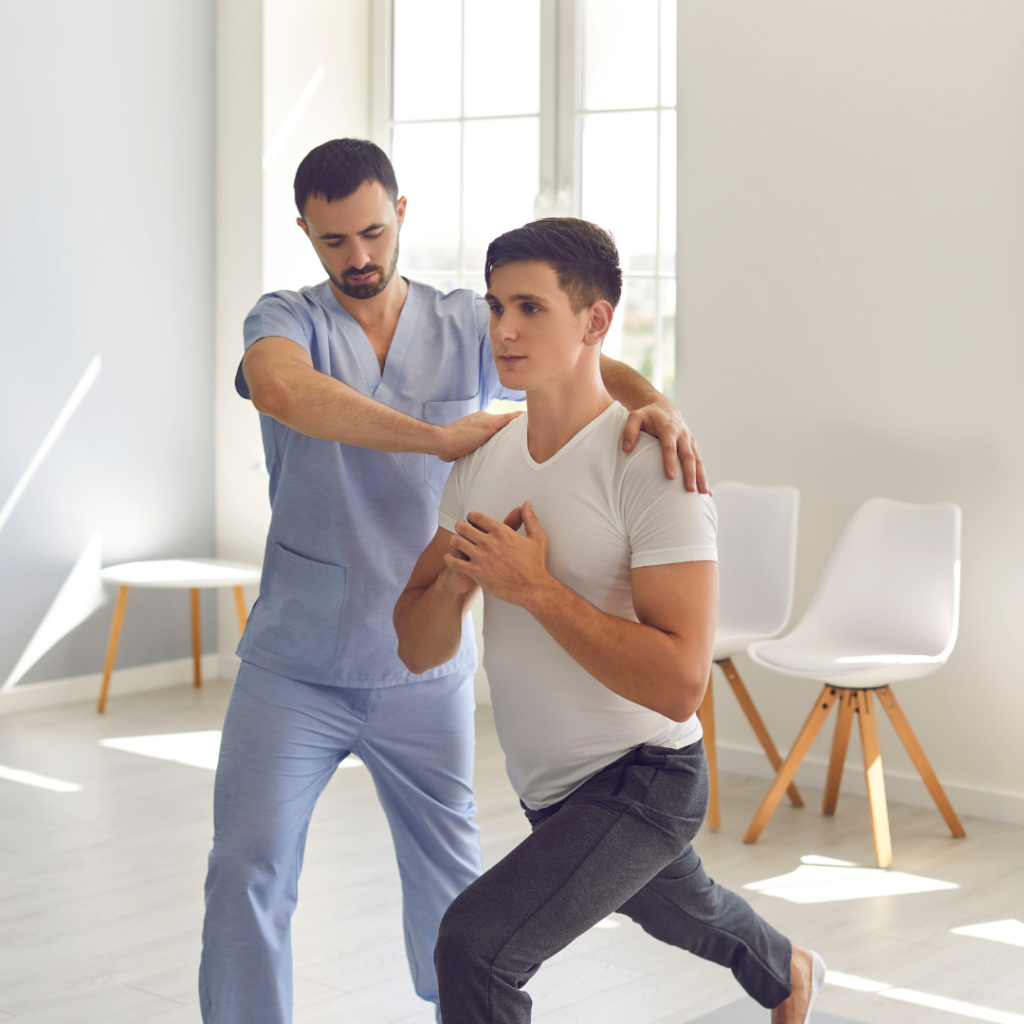
Transfers are where most caregiver injuries and home falls happen. The principles that make them safer — and why technique must be taught in person.
Stroke Home Care: The First Month
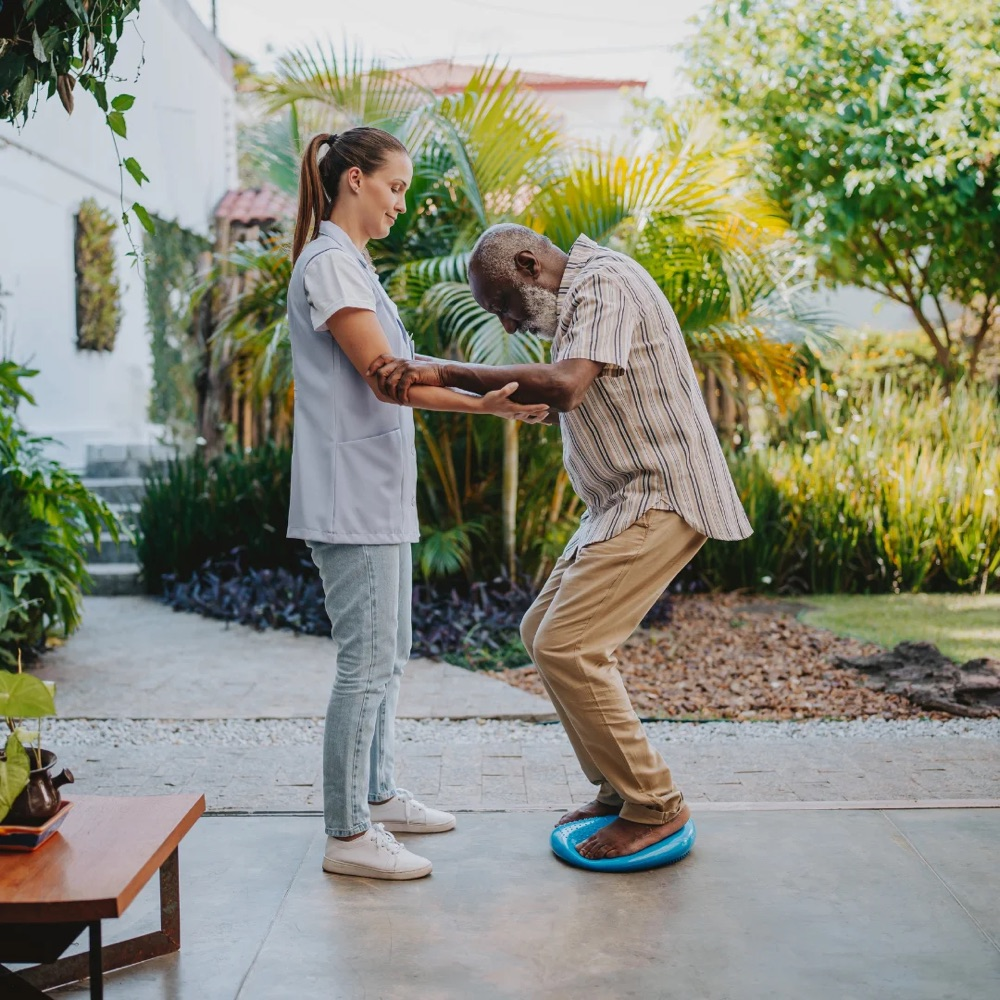
The first month at home sets the pattern for everything after. A week-by-week guide to routine, fatigue, exercise and looking after yourself.
Preparing Your Home for Someone After a Stroke

A room-by-room guide to preparing a home before someone returns after a stroke — entrance, bathroom, bedroom, stairs and lighting.
What Families Should Expect After Hospital Discharge
Discharge is the point families feel least prepared for. What genuinely surprises people, what to arrange before leaving hospital, and the first two weeks at home.
Can Stroke Recovery Continue After Six Months or a Year?
The idea that stroke recovery stops at six months is one of the most damaging things families are told — and it is not accurate. What actually changes.
Stages of Stroke Recovery: Acute, Subacute and Chronic
Acute, subacute and chronic — what changes at each stage of stroke recovery, what rehabilitation focuses on, and why progress slowing is not progress stopping.
What Is Neuroplasticity, and Why Does It Matter After a Stroke?
Neuroplasticity is the brain’s ability to reorganise and form new connections. It is why rehabilitation works — and why what you do between sessions matters.
When Should Physiotherapy Start After a Stroke?
Rehabilitation after a stroke usually begins in hospital, within the first days, as soon as the person is medically stable — not once they are ‘well enough’ or home.
Vertigo & Dizziness: Can Physiotherapy Help?
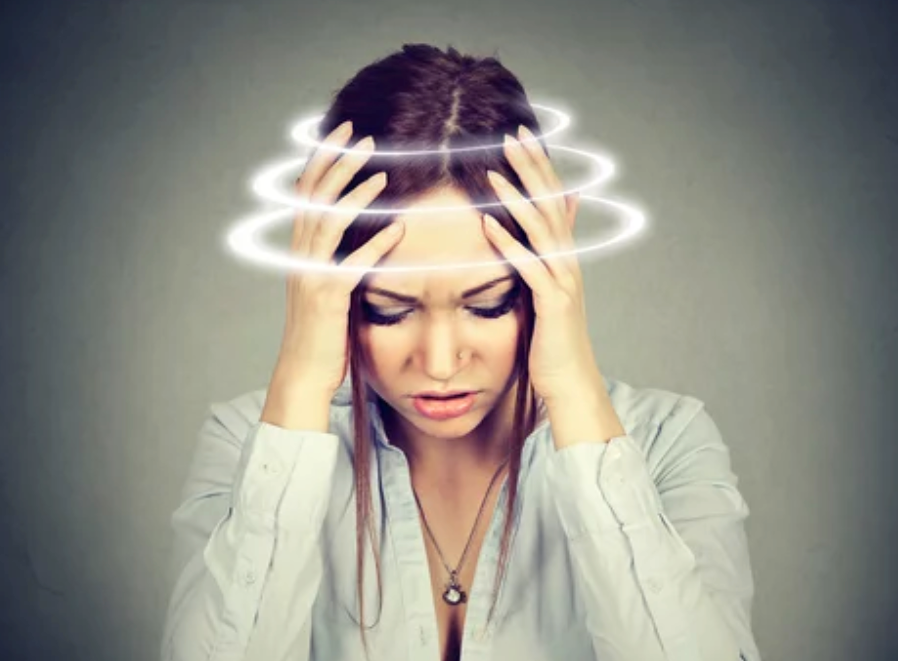
Vestibular rehabilitation, including the Epley manoeuvre, is one of the most effective treatments for common vertigo. Here is how it works.
What Is Neuro Rehabilitation?
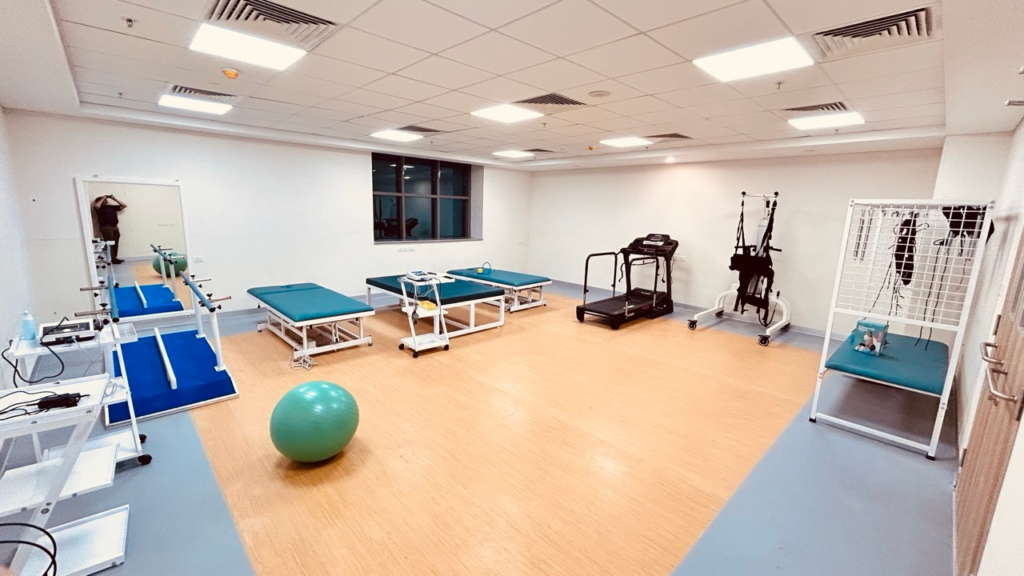
Neuro rehabilitation is specialised therapy that helps people recover function after injury or illness affecting the nervous system. Here is how it works.